Car Detailing, Riverton WY
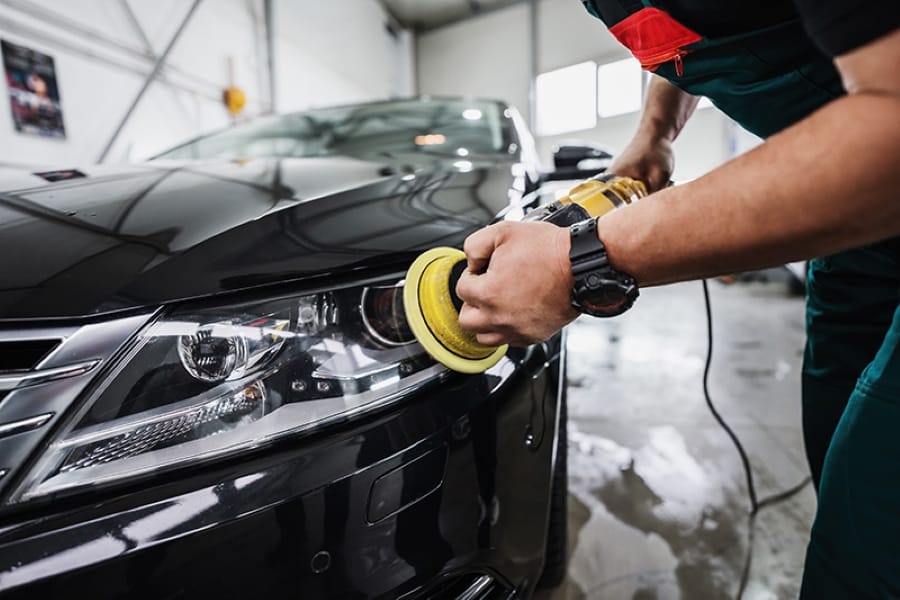
Professional car detailing is worth the investment because it protects clear coat finishes, removes bonded environmental contaminants, restores interior surfaces, and preserves up to 10% to 15% more resale value over standard car washing. In regions like Riverton, where vehicles regularly encounter dry dust alongside winter road salt, routine detailing stops chemical staining, clear coat etching, and rust formation before costly paint or body repairs are needed.
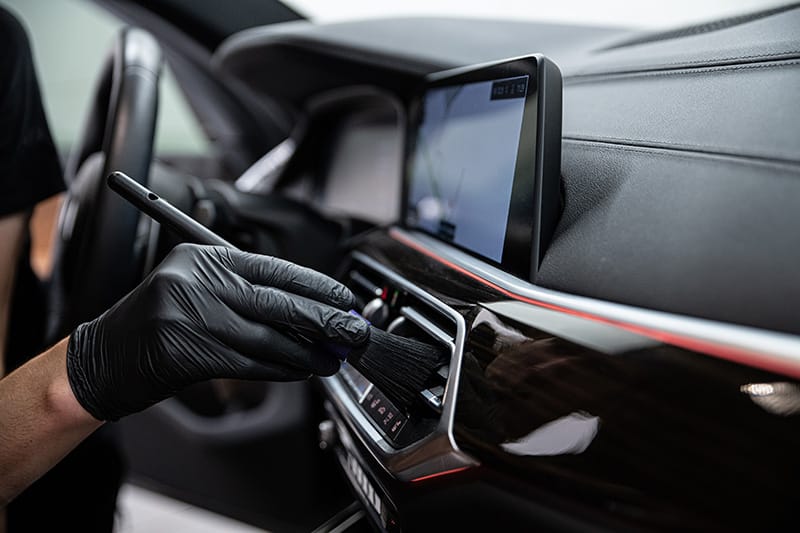
Basic drive-through car washes only remove loose surface dirt, often leaving behind stubborn contamination like embedded brake dust, tar, and road chemicals. Professional reconditioning goes beyond surface rinsing by utilizing specialized tools, pH-balanced cleansers, and multi-step protection processes. Detailing deep-cleans upholstery, conditions leather, purges cabin air pathways, and restores clear coat clarity to maintain long-term vehicle equity and visual appeal.
Do Automated Tunnel Car Washes Damage Your Vehicle's Paint?
How Do Clay Bar Treatments and Multi-Stage Paint Correction Restore Clear Coat?
Clay bar treatments pull bonded surface contaminants like industrial fallout, brake dust, rail dust, and tree sap out of the clear coat that conventional washing cannot detach. Paint correction then uses rotary or dual-action polishers combined with specialized compounding pastes to level out clear coat imperfections, restoring optical clarity and depth to the paint.
After washing a vehicle, microscopic pollutants remain embedded within the pores of the clear coat. If you run a hand over washed paint and feel a rough, sandpaper-like texture, bonded contaminants are present. Detailing clay—made from a synthetic or natural polymer compound—glides over lubricated paint, grabbing hold of embedded foreign particles and lifting them away safely. Skipping clay decontamination before polishing or sealing traps dirt underneath protective coatings, compromising paint smoothness and coating adhesion.
Once clay treatment removes bonded debris, paint correction addresses scratches, swirl marks, oxidation, and chemical etching stored within the clear coat layer. Clear coat is the transparent top layer of paint that protects the underlying color coat. Correcting paint involves carefully removing a fractional layer of clear coat to smooth out the edges of surface scratches so light reflects evenly off the panel again.
Auto detailing procedures utilize distinct levels of correction based on the depth of surface defects:
- Single-Stage Paint Correction: Uses a medium-cut polish or an all-in-one compound paired with a polishing pad. This process removes roughly 50% to 60% of light surface imperfections, swirl marks, and mild haze. Single-stage correction works best for newer vehicles with minor wash marring or paint that has been consistently maintained.
- Multi-Stage Paint Correction: Combines multiple compounding and polishing phases. The first pass uses a heavy cutting pad and compound to remove deeper scratches, severe oxidation, and etching. Subsequent passes use finer pads and finishing polishes to eliminate compounding haze, restoring 80% to 95% or more of paint clarity to achieve a defect-free, mirror-like gloss.
Performing multi-stage paint correction requires precise paint depth gauge measurements and professional technique to ensure clear coat thickness stays within safe manufacturing tolerances.
How Does Ceramic Coating Compare to Traditional Car Wax?
Ceramic coating forms a permanent or semi-permanent chemical bond with a vehicle’s clear coat using a liquid polymer containing a silica-based (SiO2) formula, providing durable protection that lasts for years. Traditional car wax relies on natural carnauba or synthetic polymers that sit loosely on top of paint, breaking down after 1 to 3 months of exposure to sun, rain, and car washes.
Traditional paste or liquid car wax provides a temporary, warm shine and light water repellency. However, natural waxes have low heat tolerance, softening under direct summer sun and washing off easily when exposed to detergent soaps or road brine. Wax requires frequent reapplication throughout the year to keep vehicle paint protected from light environmental contaminants.
Professional ceramic coatings cure onto the surface, creating an hydrophobic barrier that repels water, road oil, mud, and chemical fallout. The rigid quartz-like layer created by ceramic technology stops acidic bird droppings, bug splatter, and tree sap from etching into the clear coat beneath. Water beads up at steep angles and slides off panels quickly, taking loose surface dirt with it through a self-cleaning effect.
How Much Resale Value Does Regular Detailing Preserve?
Maintaining a regular professional detailing schedule preserves approximately 10% to 15% more trade-in or private-sale value compared to vehicles with faded paint, stained carpets, and neglected trim. Automotive appraisers evaluate cosmetic condition, paint gloss, and interior cleanliness alongside mechanical maintenance records when determining market value.
Visual appeal drives initial appraisal grades. A vehicle covered in swirl marks, clear coat oxidation, door dings, and bumper scuffs signals neglect to potential buyers and dealership appraisers. Severe paint degradation often requires costly body shop repainting before a vehicle can be resold on a retail lot, leading appraisers to subtract estimated reconditioning costs directly from trade-in offers.
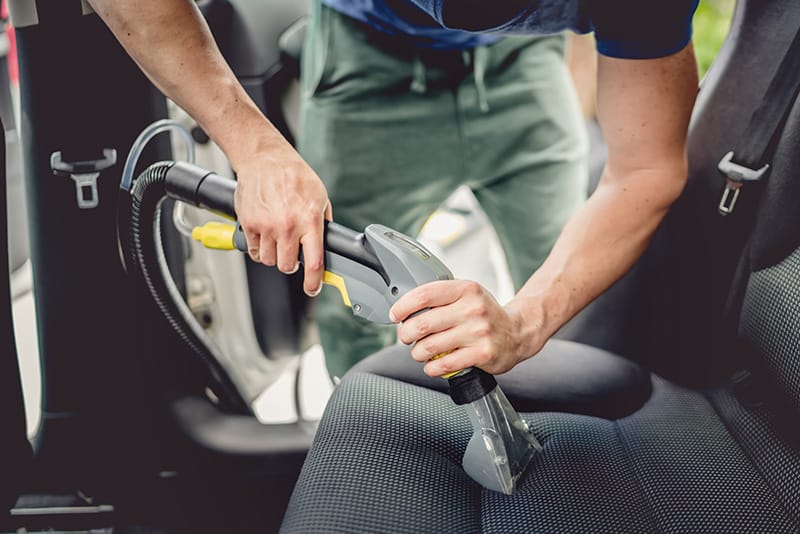
Interior preservation plays an equally vital role in retaining vehicle equity. Salt residue dragged into footwells during winter crystallizes inside carpet fibers, causing permanent staining, backing decay, and unpleasant cabin odors. Regular hot-water extraction, steam cleaning, and leather conditioning prevent seam cracking, dashboard discoloration, and embedded smells. Protecting factory upholstery preserves original cabin materials, directly insulating your financial equity when it comes time to trade or sell.
100% Satisfaction Guarantee
We take pride in our work, and it shows. Whether it’s a simple tint job or full reconditioning, we stand behind every project with a commitment to quality.
If it’s not right, we’ll make it right—no excuses.
Get Started
Common Questions About Auto Detailing and Reconditioning Services
Q: How often should a vehicle undergo full professional detailing in Riverton?
A full professional detailing service is recommended every 4 to 6 months to maintain finish protection and interior cleanliness. Vehicles subjected to heavy winter road brine, frequent travel on unpaved roads, or extended outdoor parking benefit from quarterly exterior decontamination washes and sealant top-ups to prevent clear coat etching and sub-surface rust.
Q: Can paint correction eliminate scratches that show bare metal or white primer?
Paint correction only removes scratches contained within the clear coat layer. Scratches deep enough to expose white primer or bare metal go completely through the clear coat and color coat. These deep gouges require touch-up paint application or body shop panel refinishing before polishing can level out the surrounding finish.
Q: What surface preparation is required prior to applying a ceramic coating?
Ceramic coating requires thorough paint decontamination, including a hand wash, iron fallout removal, clay bar treatment, and paint correction. Technicians then wipe down the panels with a specialized alcohol solvent to eliminate residual polishing oils, ensuring the ceramic formula forms a direct chemical bond with clear coat metal.
Q: Does interior steam cleaning remove persistent smoke and mold odors completely?
Professional interior detailing combines high-temperature steam extraction, specialized enzyme treatments, and ozone generator cycles to break down stubborn odor molecules embedded deep within carpet padding, seat foam, and headliners. This multi-step process neutralizes organic smells rather than temporarily masking them with surface fragrances.
Q: How far in advance should detailing appointments be scheduled before winter?
Scheduling a detailing appointment 1 to 2 weeks prior to seasonal weather shifts ensures vehicle surfaces receive durable sealant or ceramic protection before freezing temperatures and road brine arrive. Pre-winter detailing applies protective barriers over paint, wheels, and glass while making winter snow and ice easier to slide off panels.
How to Choose the Best Auto Detailer at Fremont Auto Reconditioning
Selecting the best auto detailer in Riverton comes down to choosing a facility equipped with specialized reconditioning tools, certified technicians, clear package structures, and comprehensive service capabilities. Working with a dedicated automotive service facility ensures that your vehicle receives factory-grade surface care backed by professional quality standards.
Our technicians at Fremont Auto Reconditioning handle complete automotive restoration and maintenance care under one roof. Beyond traditional interior shampooing and exterior paint correction, our detailing team provides specialized vehicle services, including:
- Paintless Dent Repair (PDR) to remove minor door dings and hail damage without altering original factory paint finishes.
- Professional Ceramic Coating Applications engineered to shield clear coat surfaces against extreme local climate conditions.
- Commercial Interior Odor Elimination using thermal fogging, enzyme treatments, and ozone technology.
- Leather & Fabric Upholstery Repair to fix tears, scuffs, and seam degradation on cabin surfaces.
- Automotive Window Tinting to block intense UV light, protect interior trim from cracking, and reduce cabin heat build-up.
Protect your vehicle's appearance, driving comfort, and long-term resale equity with expert care. Learn more about our specialized detailing services by calling our service team directly or stopping by our location on North Federal Boulevard to set up a personalized vehicle reconditioning plan.